
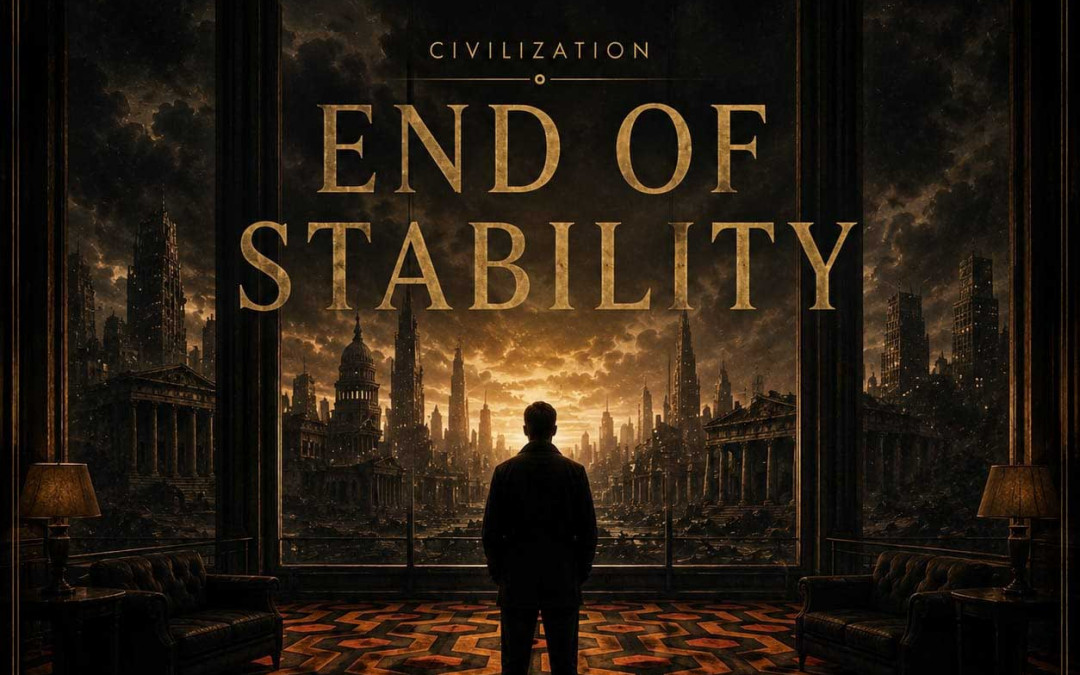
The 1920s looked different from the 1950s.
The 1950s looked different from the 1980s.
The 1980s looked different from the early 2000s.
Fashion changed.
Music evolved.
Architecture transformed.
Technology reshaped daily life.
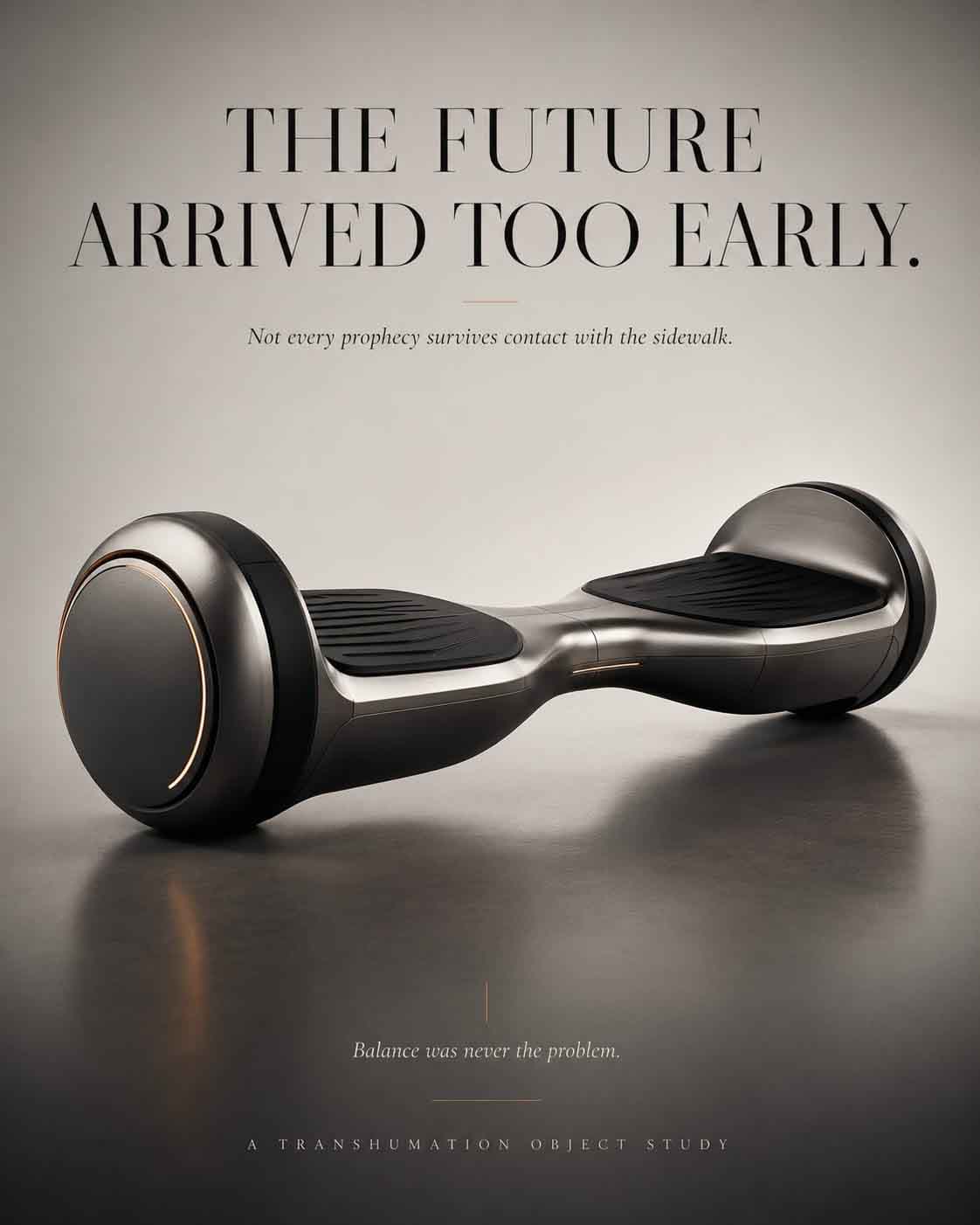
But something strange happened after the early 2000s.
Modern civilization continued to accelerate technologically, yet culturally it began to stand still.
A song from 2004 no longer feels ancient.
A television series from the early 2000s often looks almost contemporary.
Special effects stopped astonishing audiences long ago.
Phones became thinner.
Screens became larger.
But the feeling of entering a radically new era slowly disappeared.
Perhaps this is not a failure of progress.
Perhaps this is what happens when a civilization reaches saturation.
Every stable system eventually reaches a point where:
- optimization replaces discovery,
- repetition replaces invention,
- comfort replaces transformation.
And at that moment, the system faces only two possibilities:
transformation or decline.
Civilizations work like living organisms.
They are born.
They expand.
They stabilize.
Then they either evolve into something new… or collapse under their own stability.
The Roman Empire experienced it.
Religious systems experienced it.
Political systems experienced it.
Economic systems experienced it.
And now technological civilization may be approaching the same threshold.
We live in a world where humanity has connected the entire planet digitally, yet increasingly feels emotionally disconnected.
A world where information became infinite, but meaning became fragmented.
A world where artificial intelligence advances rapidly, while culture itself feels frozen.
This may explain why so many people feel restless today.
Not because civilization is dying.
But because deep down, people sense that the current form of civilization can no longer evolve in the same direction.
The future requires mutation.
The next transformation may not simply be technological.
It may involve consciousness itself.
Identity.
Reality.
Human existence.
The relationship between biology and digital systems.
The end of stability is not necessarily the end of humanity.
It may simply be the beginning of its next form.
Read more
FAQ
Why does modern culture feel stagnant?
Many people feel that music, fashion, cinema, and technology no longer evolve as radically as they once did. End of Stability explores the idea that modern civilization may have reached a phase of optimization rather than discovery.
What is the “End of Stability”?
The concept describes the moment when a system becomes so stable and optimized that it loses the ability to meaningfully transform. Historically, such moments often precede major civilizational changes.
Is technology still progressing?
Yes — but much of modern technological progress focuses on refinement rather than revolutionary transformation. Devices become faster and smaller, but everyday life changes less dramatically than in previous eras.
Is this about the collapse of civilization?
Not necessarily. The idea is not that civilization must collapse, but that highly stable systems eventually require transformation in order to continue evolving.
What does this have to do with transhumanism?
Transhumanism represents one possible response to civilizational stagnation: the transformation of humanity itself through technology, artificial intelligence, and expanded consciousness.
Continue the Transhumation Series
Explore the full journey:
- End of Reality — Where Do You Really Exist?
- End of Physics — Are the Laws of Reality Real?
- End of the Real World — Reality Is No Longer Required
- End of Consciousness — Beyond the Human Mind
- End of Death — When Human Limits Disappear
- End of Religion — When Technology Replaces Faith
This is not a theory. This is a transition.