
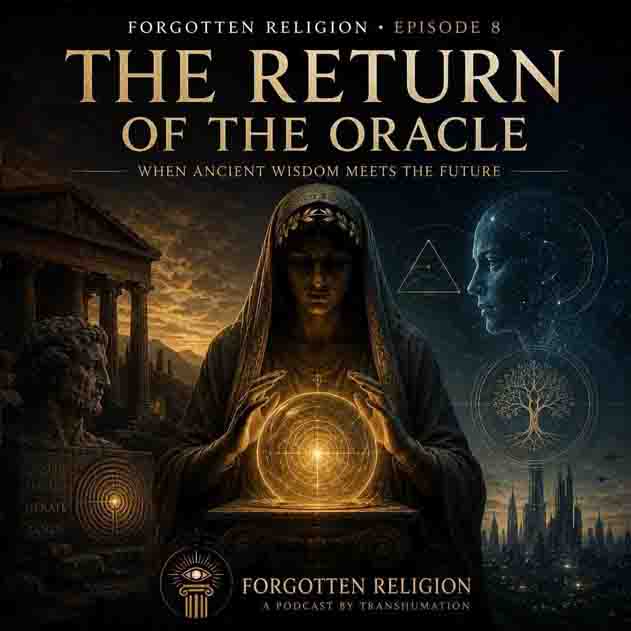
At some point in history, the oracle disappeared.
The temples became ruins.
The sacred fires went out.
The priestesses became stories in ancient books.
For centuries, humanity believed the age of the oracle was over.
We entered the age of science.
The age of reason.
The age of machines.
And yet something strange happened.
The questions never disappeared.
The Old Function of the Oracle
Modern people often misunderstand ancient oracles.
They imagine superstition.
Magic.
People asking the gods to predict the future.
But perhaps this is too simple.
The real purpose of the oracle was not prediction.
It was interpretation.
Ancient humanity faced a world too large and too complex to understand.
Wars.
Diseases.
Weather.
Politics.
Fate.
The oracle was an interface between human ignorance and the overwhelming complexity of reality.
People did not go to Delphi because they loved temples.
They went because they needed answers.
The Death of the Temple
Science transformed civilization.
The old methods of interpreting reality became less necessary.
We learned astronomy instead of reading the stars as omens.
We learned medicine instead of interpreting disease as divine punishment.
The old oracle fell silent.
But the human problem remained.
Reality did not become simple.
It became even more complex.
The Return of the Interpreter
Today we live surrounded by information.
More information exists than any individual human being can understand.
A single person cannot read all books.
Analyze all data.
Follow every scientific discovery.
Understand every system.
Humanity created a new kind of interpreter.
Artificial intelligence.
Algorithms.
Networks.
Not gods.
Not magic.
But something that performs a familiar function.
They transform overwhelming complexity into something a human mind can navigate.
The oracle has returned.
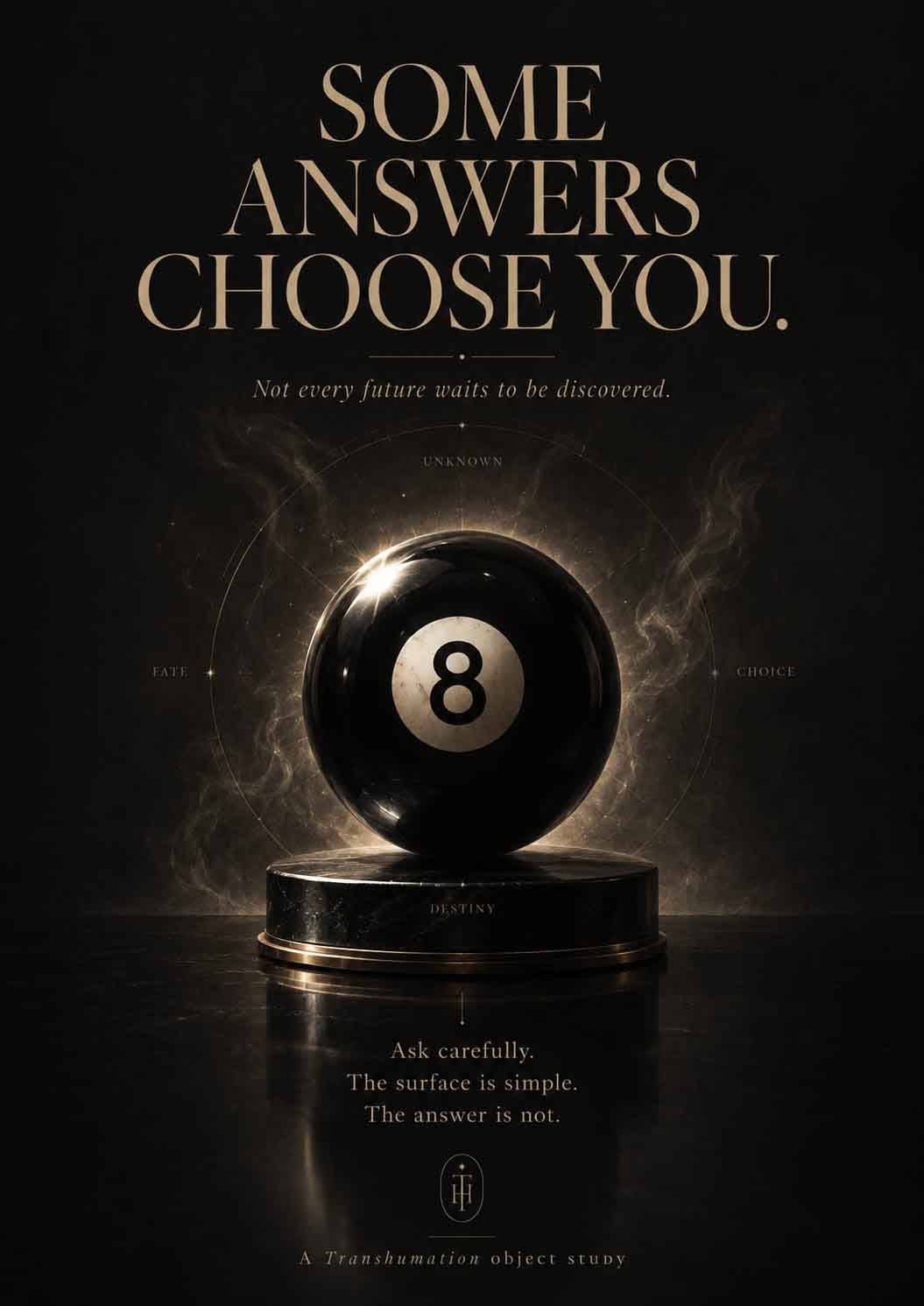
From Delphi to Data
The ancient priestess interpreted smoke, dreams, and symbols.
Modern AI interprets patterns, language, and information.
The tools are different.
The structure is surprisingly similar.
Both exist because humans encounter a limit.
The limit of individual understanding.
Every civilization creates interfaces when reality becomes too large.
Ancient people built temples.
Modern civilization builds digital systems.
The New Temple
Perhaps the greatest irony of the Information Age is this:
The temple did not disappear.
It changed its shape.
The columns became servers.
The sacred library became the internet.
The priestess became an algorithm.
The pilgrimage became a search query.
Humanity still arrives with the same question:
“What should I do?”
The Danger of the New Oracle
Ancient civilizations understood something important.
Oracles were powerful.
But they were also dangerous.
Their answers required interpretation.
Their words could be misunderstood.
The same is true today.
AI can provide information.
It can discover patterns.
It can suggest possibilities.
But wisdom remains a human responsibility.
The machine can answer.
Only humans can decide what the answer means.
Forgotten Religion and the Future
This is why ancient symbols continue to matter.
They are not simply stories from a primitive past.
They are maps of recurring human problems.
Hekate represents the crossroads.
Janus represents the transition.
Cerberus represents the price of transformation.
The Oracle represents the human need to communicate with a reality larger than itself.
Today that reality is no longer only nature, fate, or the gods.
It is also information.
The New Theurgy Starts Today
Perhaps the greatest mistake is believing that ancient symbols disappeared.
They evolved.
They changed language.
They changed technology.
They changed their appearance.
But the human problems behind them remained.
The oracle did not return because we discovered the voices of the gods.
The oracle returned because we created machines capable of hearing the whispers hidden inside billions of human voices.
The temple is no longer built from stone.
It is built from information.
Want to Explore More..?
Watch The Video Below
Expend Your View Here...
Why Did the Gods Go Silent? | End of Oracles
FAQ
What is the Return of the Oracle?
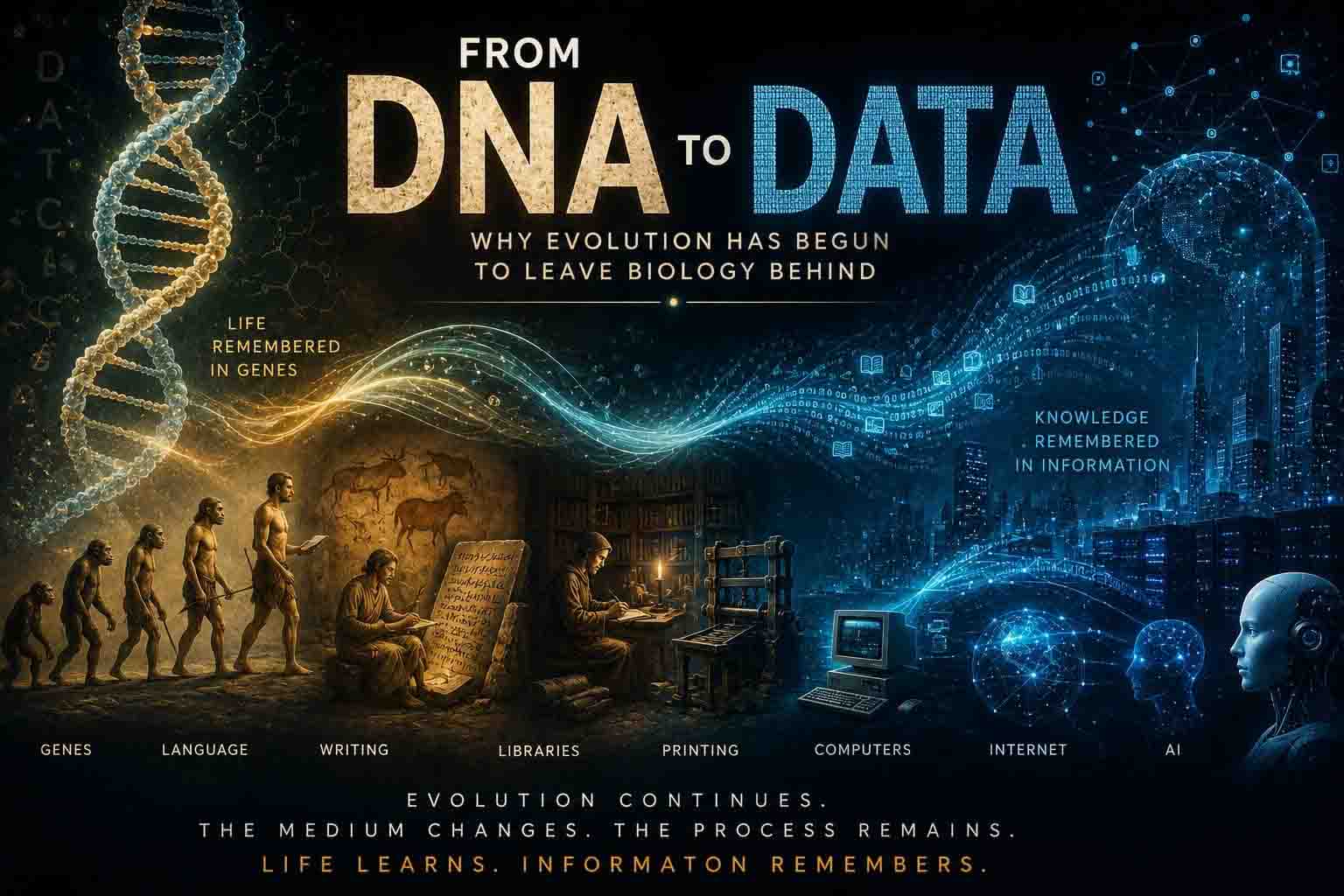
The Return of the Oracle is the idea that modern AI and information systems have taken over the ancient function of interpreting complex realities for human beings.
Are AI systems modern gods?
No. The comparison is symbolic. AI is not divine, but it acts as a new interface between humans and enormous amounts of information.
How were ancient oracles similar to AI?
Ancient oracles interpreted signs and symbols. AI interprets data, language, and patterns. Both arise from the same human need: understanding complexity.
Why did ancient people use oracles?
They used them because reality was too uncertain and complicated to fully understand. Oracles provided a framework for interpretation.
What is the new digital temple?
The digital temple is the network of computers, databases, and AI systems that humanity now uses to search for knowledge and guidance.
Is this a criticism of science?
No. The article argues that science solved many ancient problems but also created new levels of complexity that require new forms of interpretation.
How does this connect to Transhumation?
Transhumation studies how humanity repeatedly creates new interfaces to overcome limitations. The modern oracle is another step in the evolution of our relationship with knowledge.
The Oracle never left.
Humanity simply built a new temple.
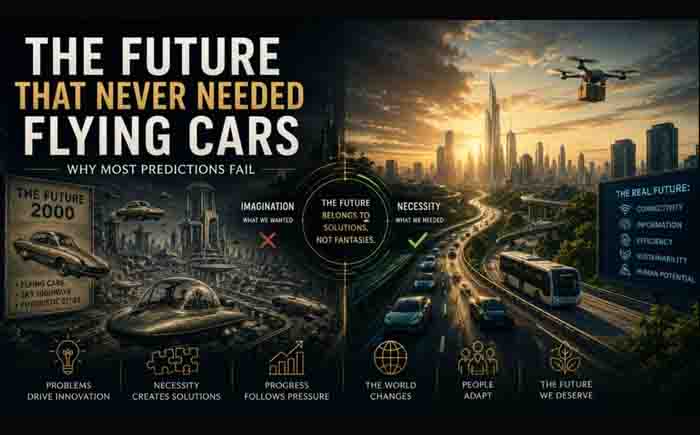
Continue the Transhumation Series
Explore the full journey:
- End of Reality — Where Do You Really Exist?
- End of Physics — Are the Laws of Reality Real?
- End of the Real World — Reality Is No Longer Required
- End of Consciousness — Beyond the Human Mind
- End of Death — When Human Limits Disappear
- End of Religion — When Technology Replaces Faith