
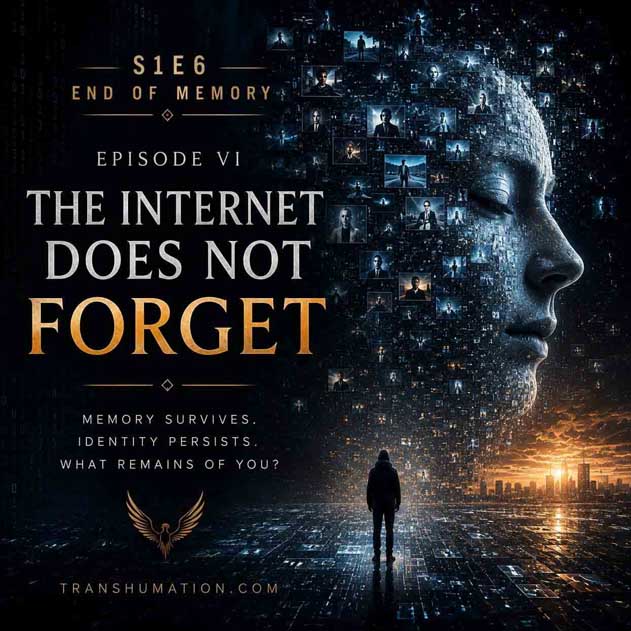
The Internet Does Not Forget | Memory Was Never Meant to Last Forever
For almost all of human history, forgetting was not a flaw.
It was simply part of being human.
Faces disappeared. Voices faded. Entire civilizations vanished beneath the earth, leaving behind only fragments of stone and broken stories.
Biological memory was temporary, and therefore identity was temporary as well.
Then something extraordinary happened.
Human civilization began building memory outside the human brain.
Books stored knowledge.
Paintings preserved moments.
Music carried emotions across centuries.
Photography captured faces.
Film preserved movement.
The Internet transformed memory into infrastructure.
For the first time in history, information no longer depended on the lifespan of the person who created it.
Civilization Became Humanity's External Brain
Every technological revolution expanded memory.
Writing allowed ideas to survive generations.
Libraries preserved civilizations.
Printing democratized remembrance.
The Internet connected nearly all human memory into one searchable system.
Artificial intelligence may become the next step.
Instead of merely storing information, AI can begin interacting with it.
Your photographs become searchable.
Your voice can be recreated.
Your writing style can be imitated.
Your conversations may eventually become simulations.
Memory is no longer passive.
It is becoming active.
The Fear Behind Every Religion
Ancient religions rarely spoke only about heaven.
They also spoke about remembrance.
Names.
Ancestors.
Judgment.
Legacy.
To disappear completely was often considered worse than death itself.
Being remembered meant continuing to exist within the community.
Modern civilization still follows this instinct.
People seek followers.
Views.
Recognition.
Legacy.
Not only because of vanity.
But because memory is participation in continuity.
When Memory Becomes Interactive
Artificial intelligence introduces a possibility no previous civilization ever faced.
Memory may begin answering back.
Digital systems can already:
imitate voices,
reconstruct personalities,
generate conversations,
continue behavioral patterns.
For the first time, memory is becoming something that can interact with the living.
This changes one of humanity's oldest questions.
Not:
Can memory survive?
But:
What happens when memory never ends?
The Hidden Purpose of Forgetting
Forgetting is often treated as failure.
Yet it serves an essential psychological function.
People heal because painful memories gradually lose their intensity.
Societies move forward because every mistake is not remembered forever.
Identity evolves because the past slowly becomes interpretation rather than prison.
Digital civilization changes this balance.
The Internet remembers:
mistakes,
arguments,
photographs,
opinions,
identities.
Sometimes forever.
Human psychology evolved for forgetting.
Technology increasingly evolves toward permanence.
Technology and Religion Ask the Same Question
Religion asks:
What survives after death?
Technology asks:
What information survives after death?
The vocabulary is different.
The underlying human instinct may be identical.
Religion speaks about:
soul,
eternity,
afterlife.
Technology speaks about:
data,
uploads,
simulations,
digital continuity.
Perhaps both represent different attempts to solve the same ancient problem.
The fear of disappearing completely.
Civilization Is Built From Memory
A civilization exists only because information survives long enough to reproduce itself.
Books preserve ideas.
Films preserve emotion.
Architecture preserves values.
The Internet preserves symbolic structures.
Artificial intelligence may eventually preserve behavioral patterns themselves.
Memory is not merely storage.
Memory creates civilization.
Without memory there is no history.
Without history there is no identity.
Without identity there is no future.
The End of Memory
The title End of Memory sounds paradoxical.
Memory is not ending.
Its biological monopoly is.
For thousands of years humans remembered.
Now civilization remembers.
Soon machines may remember.
The real question is no longer whether memory survives.
The real question is whether humanity should create a world where nothing is ever truly forgotten.
Perhaps immortality was never about living forever.
Perhaps it was always about remaining present inside the memory of civilization.
And now...
Civilization may finally possess the technology to attempt exactly that.
Want to Explore More..?
Watch The Video Below
Expend Your View Here...
End of Branding
FAQ
What does "The Internet Does Not Forget" mean?
It refers to the growing permanence of digital information. Unlike biological memory, online data can remain accessible indefinitely, reshaping identity, history, and culture.
How does AI change human memory?
Artificial intelligence moves beyond storing information. It can organize, recreate, and even simulate voices, personalities, and conversations, making memory increasingly interactive.
Why is forgetting important?
Forgetting allows individuals and societies to heal, reinterpret the past, and adapt. Permanent digital memory challenges this natural psychological process.
Is digital memory a form of immortality?
Not in the biological sense. However, digital records, behaviors, and personal data may allow aspects of a person to persist long after physical death.
How are religion and technology connected?
Both address humanity's oldest question: what survives after death? Religion answers with the soul, while technology explores data, memory, and digital continuity.
Continue The Series Here...
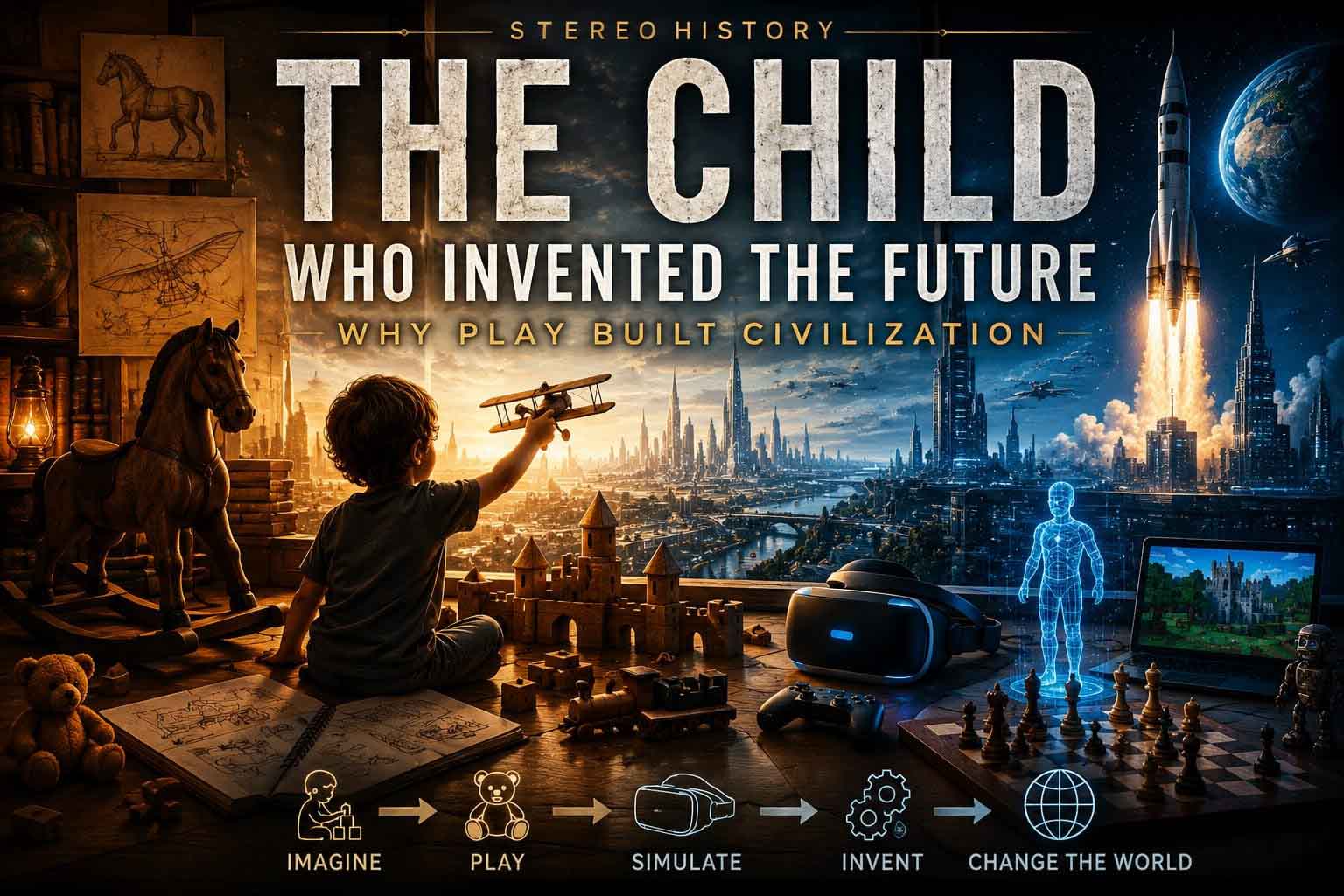
The Child Who Invented the Future:
Find out more here...
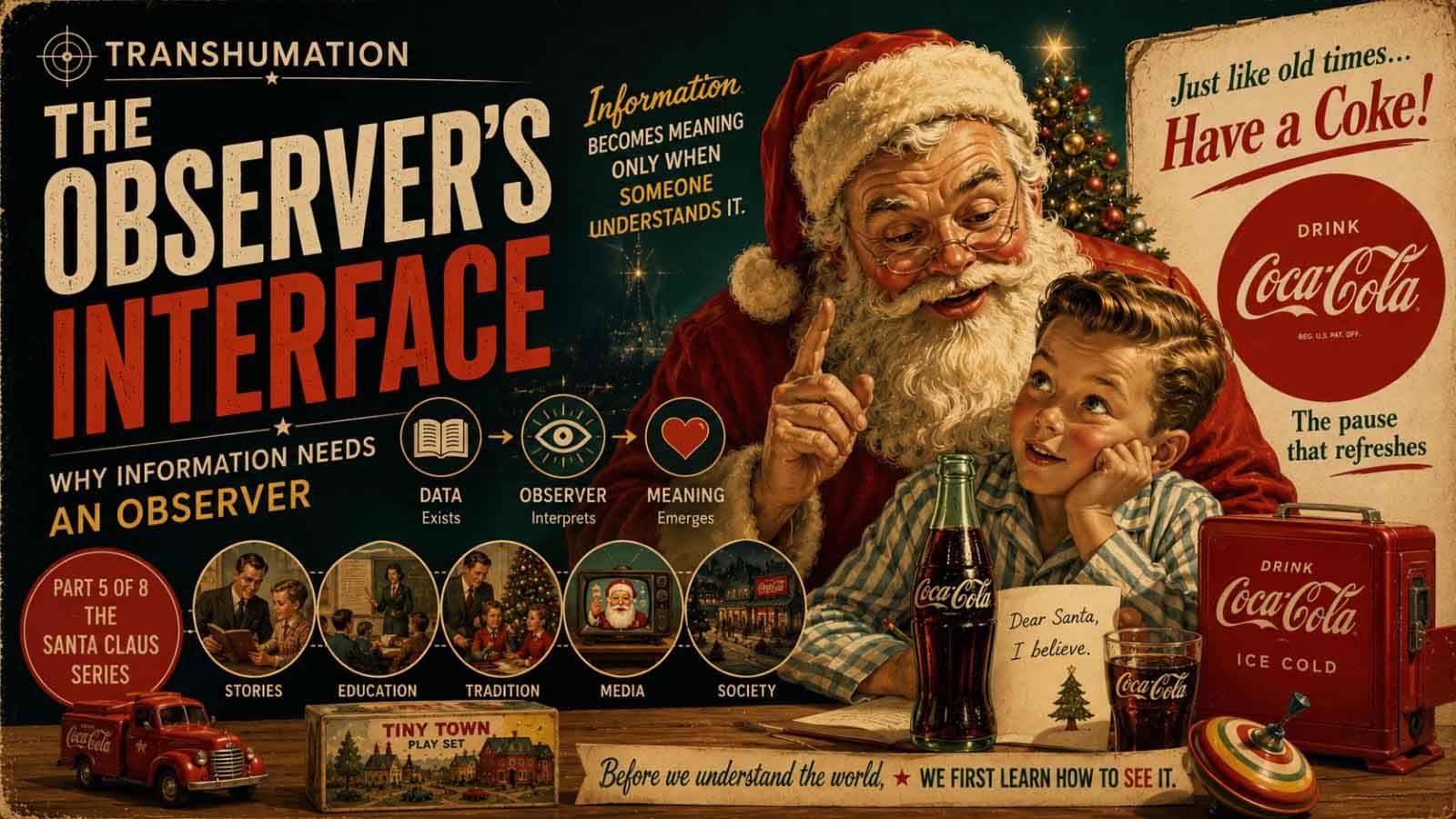
The Observer’s Interface

The Core Questions of Transhumation
Explore the full journey:
- End of Reality — Where Do You Really Exist?
- End of Physics — Are the Laws of Reality Real?
- End of the Real World — Reality Is No Longer Required
- End of Consciousness — Beyond the Human Mind
- End of Death — When Human Limits Disappear
- End of Religion — When Technology Replaces Faith